In egg-laying chicken farming, many managers focus on the breed and feed, but neglect the environmental control within the chicken houses. In fact, the temperature, ventilation, humidity and lighting in the chicken houses directly affect the feeding, egg production and health status of the chickens. Especially in commercial farming farms, improper environmental management can easily lead to fluctuations in egg production, an increase in mortality and culling rates, and a decline in egg quality.
1. Why is the environment of the chicken coop so important for laying hens?
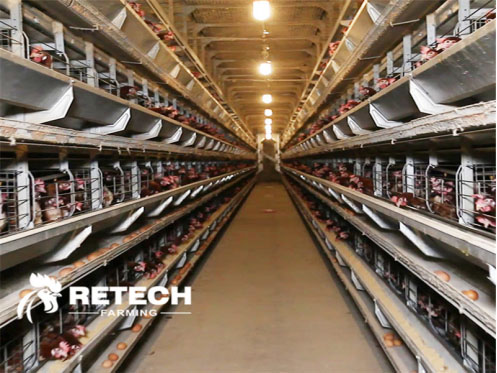
Laying hens are a type of poultry that are relatively sensitive to the environment. If the temperature is too high, it will cause heat stress and a decrease in feed intake; if the temperature is too low, it will increase energy consumption and affect the egg production rate. Insufficient ventilation will lead to the accumulation of ammonia and dust, increasing respiratory diseases. Inappropriate lighting may disrupt the physiological rhythm of the laying hens, affecting their laying and continuous egg production.
Therefore, a good chicken coop environment is not just “comfortable”, but directly relates to the production efficiency of the breeding.
2. Four Key Points of Environmental Control in Egg Chicken Houses
1. Temperature Control
Temperature is one of the most fundamental and crucial indicators in egg chicken management. High temperatures in summer significantly affect the feed intake and egg production rate of egg chickens, while low temperatures in winter increase the energy consumption for maintaining body temperature. Modern chicken houses usually combine ventilation, cooling, and heating systems to maintain a relatively stable internal temperature.
For egg chickens, the more stable the temperature is, the more stable their production status is.
2. Risk Control System for Ventilation
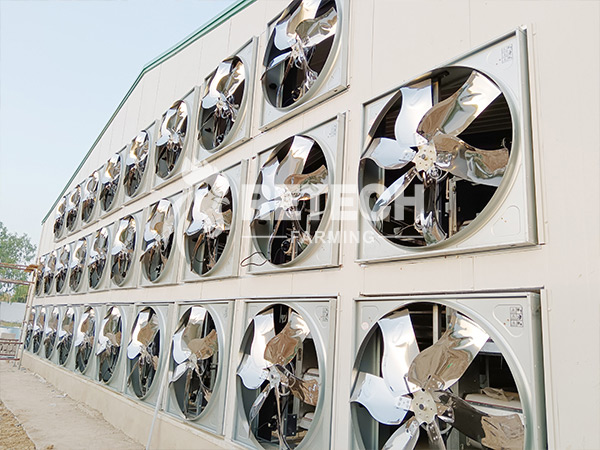
The function of ventilation is not only to cool down, but more importantly, to remove carbon dioxide, ammonia and moisture from the chicken coop. Chicken coops with poor ventilation are prone to problems such as poor air quality, excessive humidity, and the proliferation of pathogens. Over time, this will affect the health of the chicken flock.
A high-quality ventilation system should have the following features:
- Automatically adjust the air volume according to temperature;
- Ensure uniform air exchange within the coop;
- Reduce dead corners and local heat in the coop;
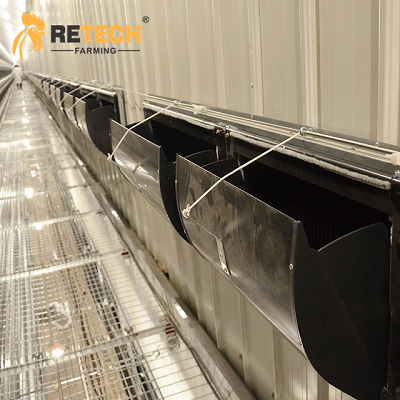
- Operate in conjunction with cooling equipment (such as wet curtains, ventilation windows, fans, etc.).
3. Humidity Management
Excessive humidity can cause the bedding to become damp, increase ammonia levels and promote bacterial growth; while insufficient humidity will lead to an increase in dust, which adversely affects respiratory health. Especially in closed or semi-enclosed egg-laying hen houses, humidity management is often overlooked, but it has a significant impact on the comfort of the flock.
4. Lighting Management
Lighting is a crucial factor influencing the laying cycle and continuous egg production of laying hens. A proper lighting schedule can help hens establish a stable laying rhythm. Generally, the intensity, duration, and uniformity of lighting need to be scientifically set to avoid flickering or uneven lighting, thereby reducing stress responses.
3. What problems will arise from inadequate environmental control?
If the environmental management of the chicken coop is not satisfactory, common issues include:
- Decreased feed intake, uneven weight gain;
- Significant fluctuations in egg production rate;
- Poor eggshell quality;
- Increased respiratory problems among the flock;
- Higher mortality and culling rates;
- Increased odor and ammonia levels in the chicken coop.
These problems may seem scattered, but they are actually eroding the profits of the farming business.
4. How does Retech control the ventilation in the egg-laying hen houses?
Let’s design the ventilation systems for chicken coops based on the project introduction and different natural conditions.
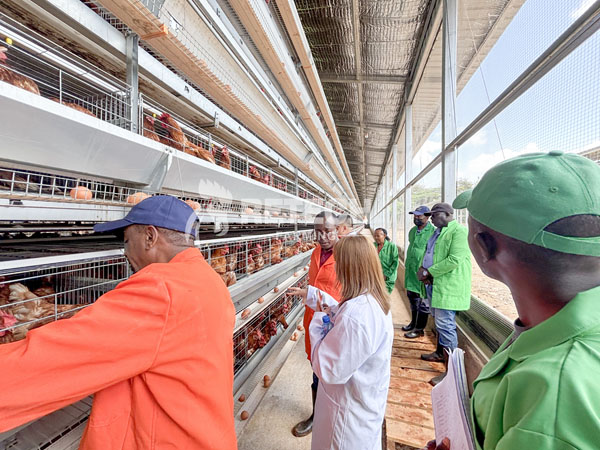
1.Kenya 30,000 Layer Chicken Project
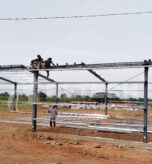
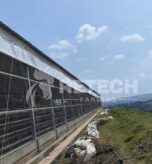
Given the high temperatures and insufficient electricity in Kenya, we designed open chicken coops for our clients, allowing for natural ventilation and reducing electricity consumption.
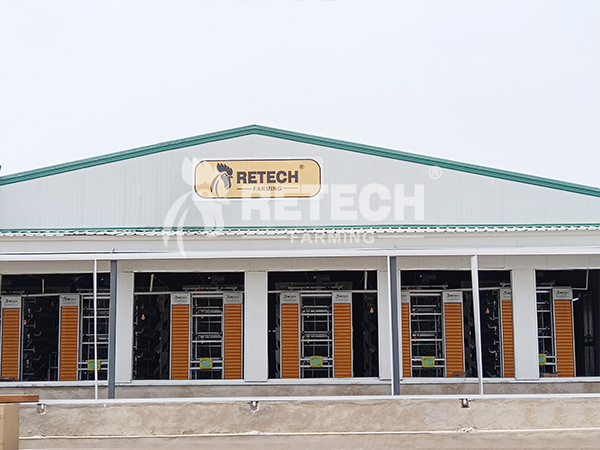
2. 50,000 Layer Hens Project in Nigeria
The customer has sufficient local power supply. They have adopted a closed chicken coop design, and have also used ventilation equipment such as wet curtains, fans, and ventilation windows to provide excellent ventilation and air exchange for the chicken coop.
For new farms or expansion projects, the initial planning is of great significance. Issues such as the structure of the chicken coop, the layout of the fans, the position of the air intake, and the lighting scheme all need to be coordinated with the overall equipment. Choosing a modern poultry farming equipment manufacturer like Retech farming can provide a more comprehensive environmental control solution for the egg-laying chicken coop from an overall perspective.
WhatsApp: +8617685886881
Email: director@farmingport.com