After selecting the breed, the selection and selection of chickens must be carried out. Seed selection is to select good individuals to retain seeds. Mating is to mate with selected roosters and hens consciously and systematically in order to breed better chicken breeds.
1. Choice of breeding roosters
Some chicken farmers often think that the choice of rooster is not important. This idea is completely wrong. In fact, in order to get a good chicken, the choice of breeding rooster is the key. From a genetic point of view, roosters have a greater impact on the speed of early growth and development of offspring and the number of eggs laid. One rooster can match more than 10 hens. Choosing a breeding rooster is more important than choosing a breeding hen.
Shape selection
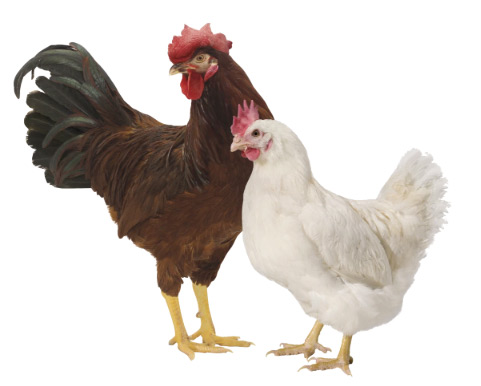
The choice of adult roosters is generally determined by appearance, and the required standards are as follows:
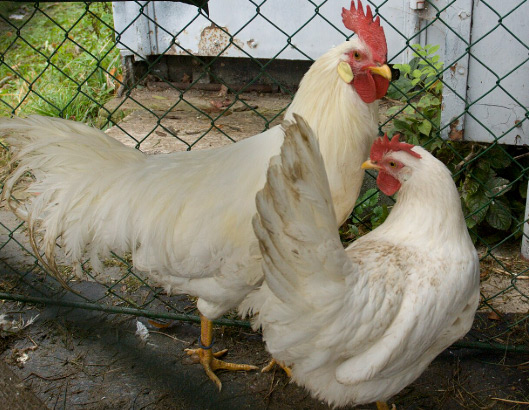
- It has the distinguishing characteristics of this breed. The Rulaihang chicken has the characteristics of two white (white earlobes, white feathers) and three yellows (howling yellow, yellow cheeks, yellow skin). The crown of the rooster should be upright, and the crown of the hen should be down. Wait.
- Shuangri has a god, and the bones are strong.
- The feathers are plump and shiny.
- The crown is resistant to red, and the hand feels warm.
- Energetic and strong libido.
Selection ratio
Half of the chicks are roosters after hatching. The basis of selection is relatively large, which creates conditions for the selection of roosters. Take broiler chickens as an example: the most important thing is early weight gain, and body weight at 6-8 weeks of age is an important genetic trait. If the first selection is to be performed at 7 weeks of age, you can take out about 10-30 animals and weigh them first, and set a low weight for the selected members, and then weigh them one by one, if they are below the standard those who meet the standards are eliminated, and those who meet the standards must touch each part of the body, observe whether there are defects in the appearance, and measure the width of the chest and the early weight gain.
It is required that the brain muscles are tight, the keel is upright, the abdomen is not deformed, the toes are not bent, and the eyes are full and energetic. It is best to do a re-selection the next day, that is, after obtaining the basic concepts of the primary chickens, they will be screened again and 70%-80% will be eliminated. The second selection was carried out at the age of 20 weeks. After limited feeding, the light and defective ones were screened again. This time, less than one-fifth was eliminated. Generally, roosters are selected based on 5% of the number of chicks, which means that only a large scale and strict selection can select a good rooster.
If egg-laying breeds are also selected at the 7th week of Qianshi, the heaviest ones cannot be left, but whether they meet the breed requirements. For example, the body weight of a 7-week-old white layer chicken is generally 0.75 kg, so being less than this level or above is not ideal. At the same time, we must pay special attention to the development of the combs, and keep the best ones. Cockscomb is the second sex feature. A well-developed cockscomb indicates precocity and strong libido.
2. Selection of breeder hens
Regardless of whether it is breeding or production, the main principle of selecting hens should be based on the number of eggs laid, because the offspring of high-yielding hens generally lay eggs well. The chicks are usually bred to look like large chickens by the age of 20. At this time, they should be transferred to the laying hen house. Even if they are not transferred to the group, a selection must be made at this time to eliminate the poorly developed and overweight ones.
Chicken flocks after the start of laying are required to be eliminated every other month, because some chickens (including some diseased chickens) will not lay eggs. Frequent elimination of non-laying chickens can avoid wasting feed.
Laying or non-laying chickens (including chickens that lay eggs and lay eggs) are very different in appearance. Due to the developed ovaries and oviducts of laying hens, various parts of the body have also changed significantly, such as the anus is quite large and Moist, the pubic bone becomes thinner. The distance between the pubic bone and between the pubic bone and the dragon increases, and the comb is red and warm. The skin on the skull becomes gulf and so on.
Age at the start of production
The age of chickens at the start of production varies from breed to breed. It is generally required to lay more small eggs not too early or too late, and late maturity affects egg production.
Due to the influence of the climate, there will be a 2-3month shutdown period in winter. If it can lay eggs during the winter season, it is of course an ideal high-yielding chicken.
Laying intensity
Laying intensity refers to the rate of laying eggs in a certain period of time. For example, the first chicken lays the next day, the second chicken lays for two consecutive days and stops production for one day, while the two chickens lays for three consecutive days and stops production for one day, and often forms a certain cycle. Compared with a chicken with a long egg cycle, the egg production is almost doubled. Therefore, it is necessary to understand the performance of individual continuous egg production when selecting. To this end, self-closing nests should be set up and individual records should be made.
Moulting process
Sooner or later, the skill and speed of the chicken are both important genetic traits, which can be passed on to the offspring. The period from the start of production to the beginning of moulting is called the laying period. Although there are some days when no eggs are laid, this is an intermittent period rather than a rest period. It is still in a state of laying eggs physiologically, but the intensity is different. The laying period is required to be more than 12-13 months, but some chickens stop moulting after only 8-10 months of laying. Of course, they cannot produce high yields. Moulting speed affects egg production in the second egg production period. Some chickens are still laying eggs even during the moulting period. Although these chickens are few in the flock, they should be selected to stay after they are found.
Generally speaking. During the moulting period, egg production is often stopped. This may be related to nutritional supply. Feathers of various parts of the body have a certain order and pattern when moulting, the order is head, neck, chest, spine, down feather, belly, wings and tail. The wing feathers do not fall off at the same time, otherwise, the wings will be empty and featherless and the birds will not be able to fly. Therefore, the replacement of wing feathers is usually used as an indicator of the whole body moulting process.
Two groups of wing feathers can be seen. The group farther away from the body, usually a total of 10, is called the main wing feathers, and the group closer to the body is called the aileron feathers. There is a single feather between the two groups of feathers, which is shorter than the main wing feather and aileron feathers, which is called the axial feather. Under normal circumstances, one main wing feather is removed and replaced at a time, and 2 to 4 wing feathers fall off at the same time. It takes approximately 6 weeks for the new feathers to grow to their original length.
How to Choose Breeder Chicken Farming Equipment?
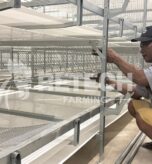
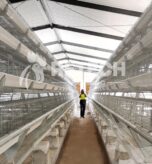
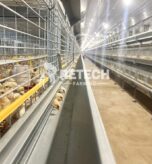
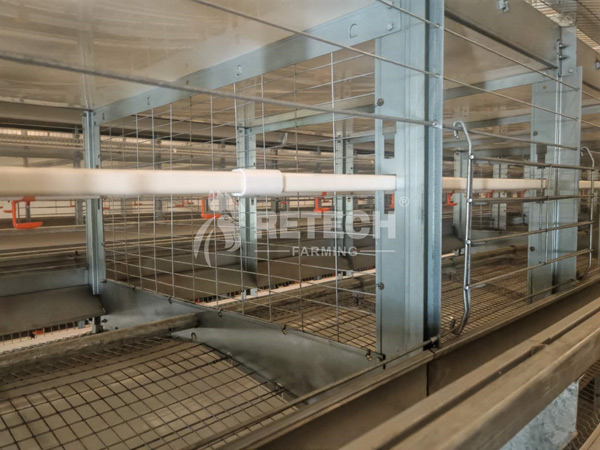
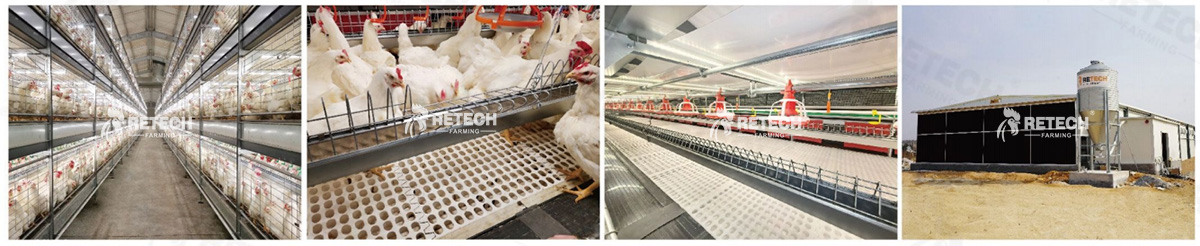
Retech Farming’s automated breeder chicken cage system effectively improves breeding chicken farming efficiency. Automatic feeding, watering, egg collection, environmental control, and manure removal systems provide a comfortable rearing environment for the flock, leading to higher-quality hatching eggs!
If you would like to learn more about breeder chicken farming solutions, contact me now!
Email:director@farmingport.com
WhatsApp:+8617685886881